Access & services
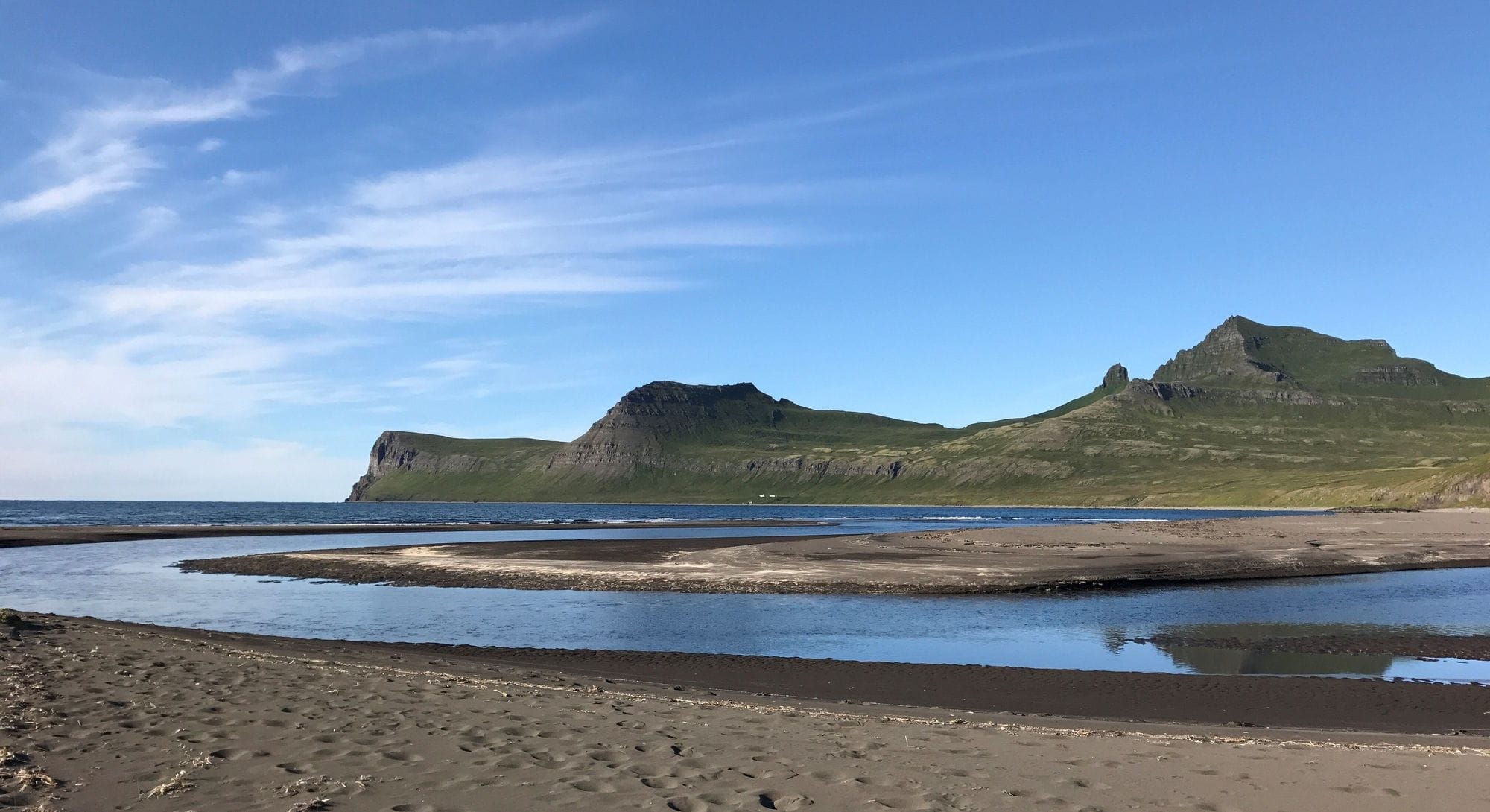
Hornstrandir is a remarkable area located at the northernmost edge of the Westfjords. The boundaries of the nature reserve extend across Skorarheiði, between Hrafnsfjörður and Furufjörður, encompassing Hornstrandir and parts of the Jökulfirðir fjords, including the former districts of Sléttuhreppur and parts of Grunnavíkurhreppur.
The most common way to access Hornstrandir is by sea.
The nature reserve’s visitor centre, Hornstrandastofa, is located in Ísafjörður.
Registration requirement is required for entry into the nature reserve until 15 June each year. Landowners and property owners within the reserve are exempt from this requirement.
Register your visit to the reserve here
Visitor Centre – Björnsbúð
The visitor centre for Hornstrandir, featuring an exhibition about the area.
Hornstrandastofa
Silfurgata 1
400 Ísafjörður
Summer opening hours (June 1st – August 31st)
Monday to Saturday, 08:00–15:30
Winter opening hours
Open by appointment
Telephone: +354 665 2810 / Email: hornstrandastofa@nattura.is / Contact person: Kristín Ósk Jónasdóttir, Specialist
Access
Protection status
In 1975, Hornstrandir, Aðalvík, Rekavík bak Látur and Fljótavík, together with part of Jökulfirðir, were protected as a nature reserve. The Hornstrandir Nature Reserve covers 589 km² and is located in the northern Westfjords.
According to the IUCN classification system for protected areas, Hornstrandir Nature Reserve is classified as category Ib. Areas in this category are generally large, unmodified or only slightly modified areas that retain their natural character and influence, with little or no permanent human habitation.
The aim of the protection is to conserve the area's ecosystems, geological features and cultural heritage. One of the defining characteristics of Hornstrandir is its remoteness and the limited impact of human activity on the landscape.
The nature reserve has high conservation value, both nationally and internationally. It provides important habitat for numerous bird species and is also one of the most important habitats for Arctic foxes in Europe.
The guiding principle for Hornstrandir Nature Reserve is to protect a vast area of exceptional nature and wildlife, where tranquillity prevails and infrastructure remains unobtrusive. Natural processes should be allowed to prevail with minimal human intervention, ensuring that future generations have the opportunity to experience and enjoy such places.