Access and Information
Protection Status
Mývatn and Laxá were originally protected under the Act on the Protection of Mývatn and Laxá in Suður-Þingeyjarsýsla, enacted in 1974. Today, the area is protected under Act No. 97 of 9 June 2004, which provides a specific legal framework for the conservation of Mývatn and Laxá.
The objective of the legislation is to promote nature conservation in accordance with the principles of sustainable development and to ensure that human activities do not threaten the ecological carrying capacity of the area.
The legislation aims to safeguard the biological diversity of the extensive Mývatn–Laxá catchment area, while also protecting geological formations and landscapes through active conservation measures, particularly with regard to scientific, social, and aesthetic values.
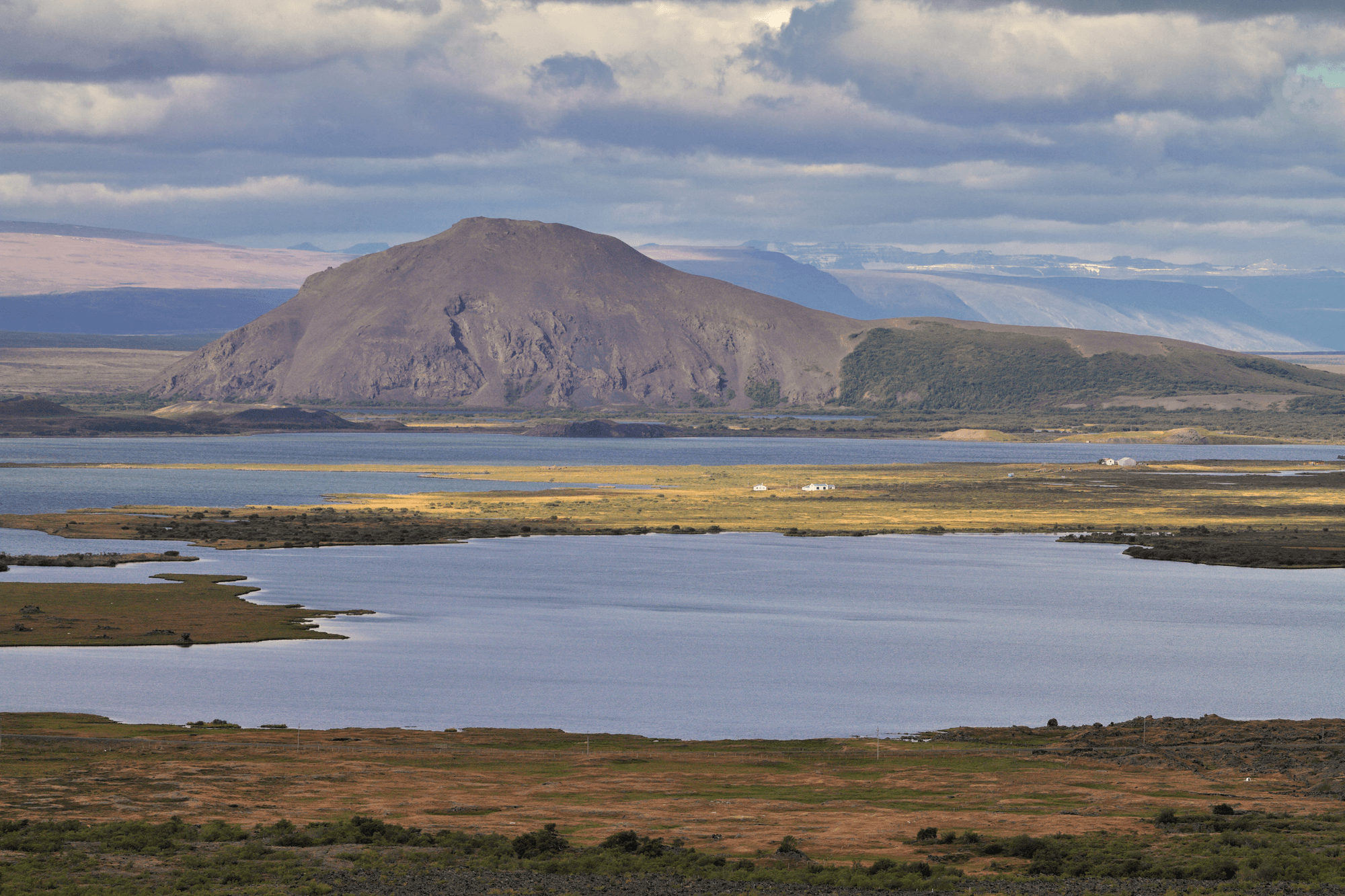
The provisions of the Act apply to Mývatn and the river Laxá, including their islands, islets, and tributary channels, extending to the river mouth at Skjálfandaflói Bay, together with a 200-metre-wide buffer zone along the entire shoreline of Mývatn and both banks of Laxá.
The legislation also applies to the following wetland areas, including a 200-metre buffer zone surrounding lakes, rivers, and streams: Sortulækur, Geirastaðahraun, Sandvatn Ytra, Belgjarskógur, Slýja, Neslandatangi, Framengjar, the river Kráká from Strengjabrekka to Laxá, Grænavatn, Helluvaðsá, and Arnarvatn, together with associated wetlands.
In addition, the Act includes provisions for the protection of water quality throughout the Mývatn–Laxá catchment area.
Mývatn and Laxá are also listed as Wetlands of International Importance under the Ramsar Convention.