Access and Information
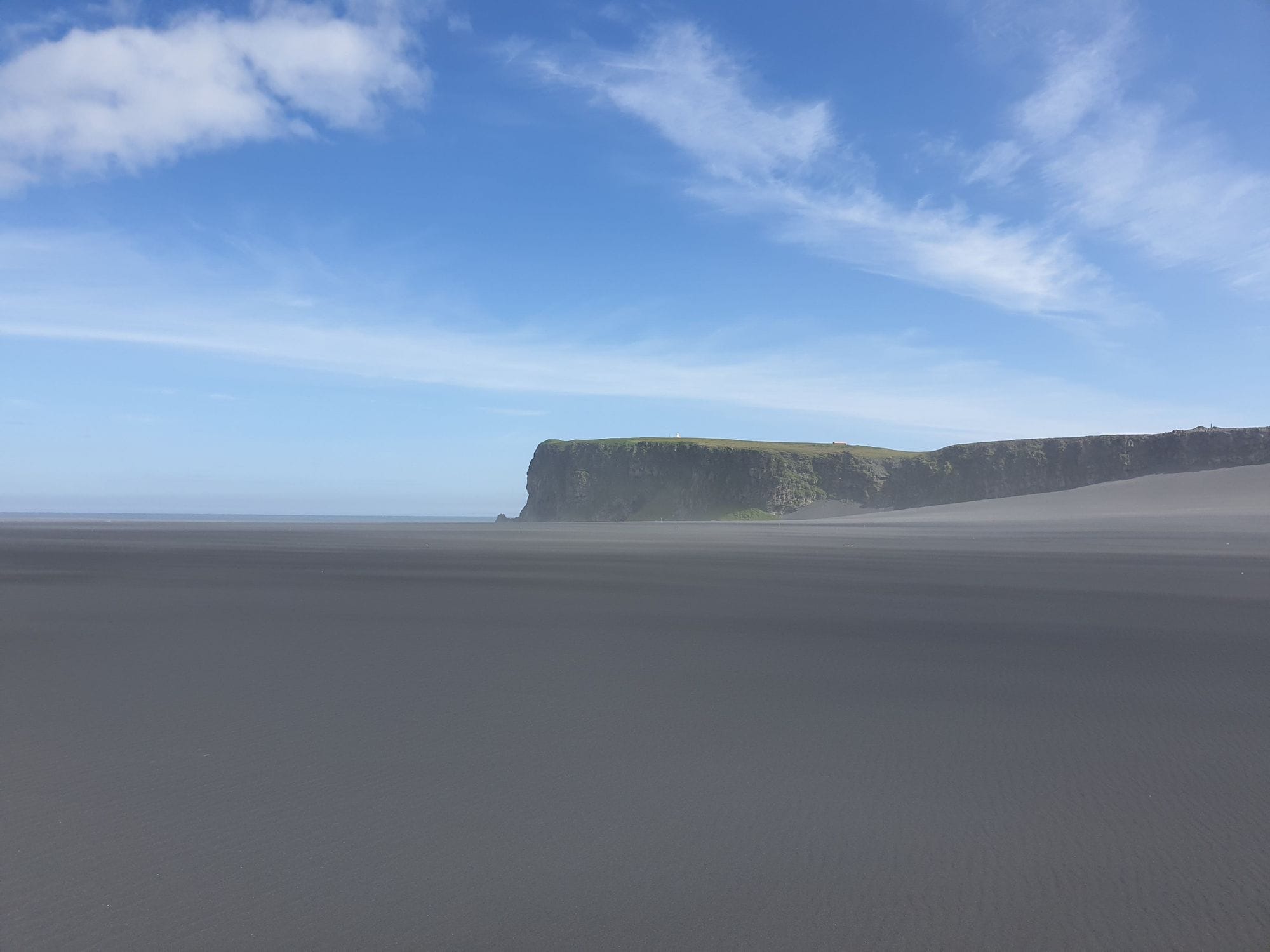
The route to Ingólfshöfði is approximately 9 km long from the Ring Road and crosses land belonging to Fagurhólsmýri and Hofsnes.
The route is only passable by specially modified off-road vehicles and tractors.
Although the track is marked with route poles, it crosses mudflats and tidal channels that can become deep, making it extremely hazardous to leave the marked route.
Visitors are strongly discouraged from attempting to drive to Ingólfshöfði in their own vehicles and are instead encouraged to join guided transport operated by Öræfaferðir.
Protection Status
Ingólfshöfði was designated a nature reserve in 1978. The reserve covers an area of approximately 120.2 hectares. The purpose of the protection designation is to preserve and maintain the natural condition of the area, with particular emphasis on the birdlife found on the headland, including species that are considered threatened according to published Red Lists. Another objective is to protect the cultural heritage remains found within the area, as well as its landscape diversity.
According to the International Union for Conservation of Nature (IUCN) protected area classification system, the reserve is classified as a Category IV protected area.