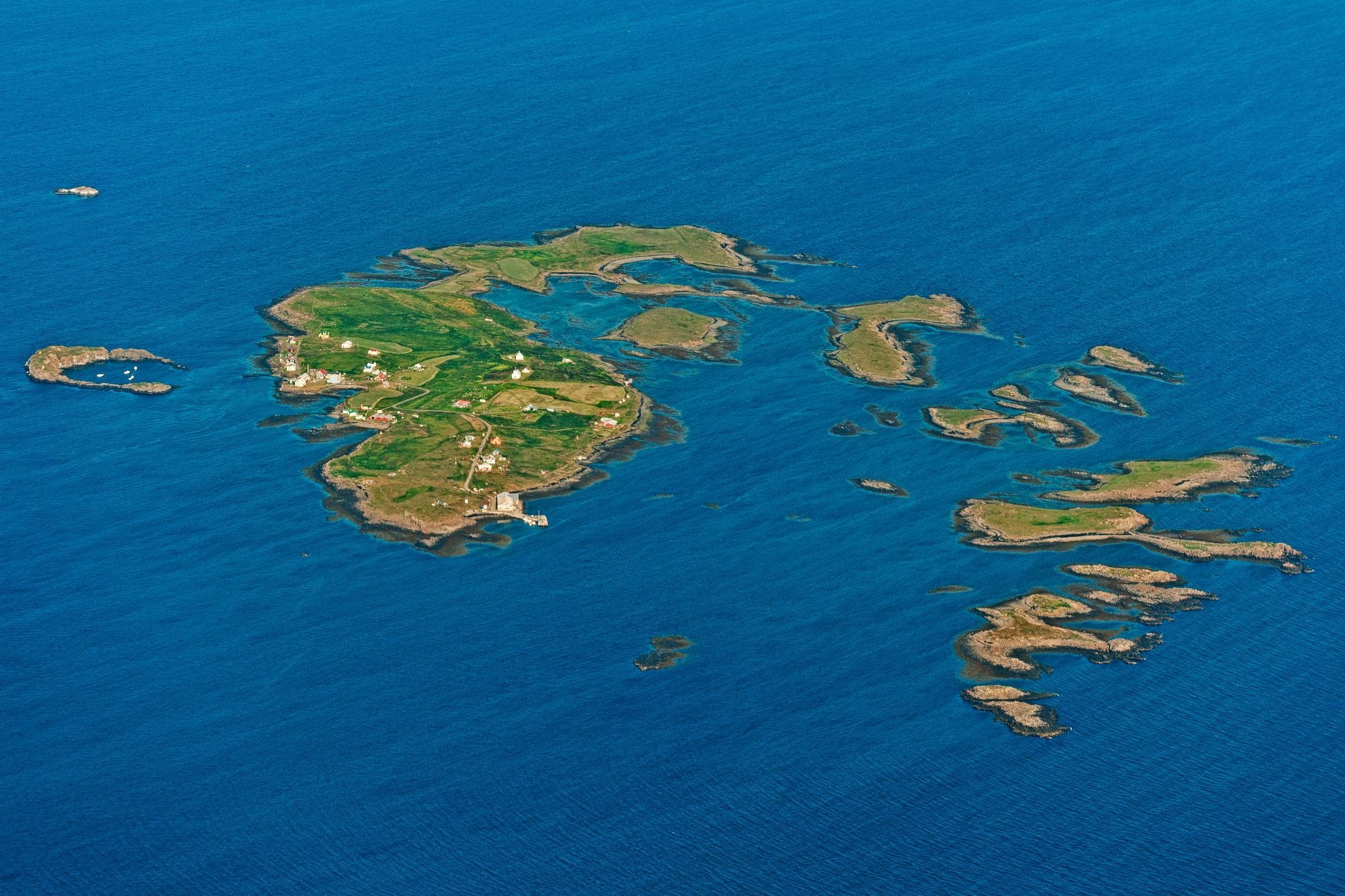
The fjord is shallow in many places, resulting in a 5–6 metre difference between high and low tide. As a result, extensive shorelines and mudflats are exposed at low tide.
Harbour seals breed on skerries, and the birdlife of the islands is exceptional, both in terms of species diversity and population size.
In earlier times, many of the islands supported substantial settlements. Large seasonal fishing stations were found in several places, including Oddbjarnarsker. Island farming developed in distinctive ways, although it has now largely disappeared. Historically, island residents were largely self-sufficient, and the islands were often described as a “food basket” due to their abundance of natural resources.
Traditional harvesting of eiderdown and eggs still takes place, and visitors are encouraged to pay close attention to guidelines for responsible behaviour around eider nesting areas.
Navigation between the islands can be hazardous due to strong currents and submerged skerries.
The Breiðafjörður Conservation Area spans parts of both West Iceland and the Westfjords and is protected under Act No. 54/1995 on the Protection of Breiðafjörður.