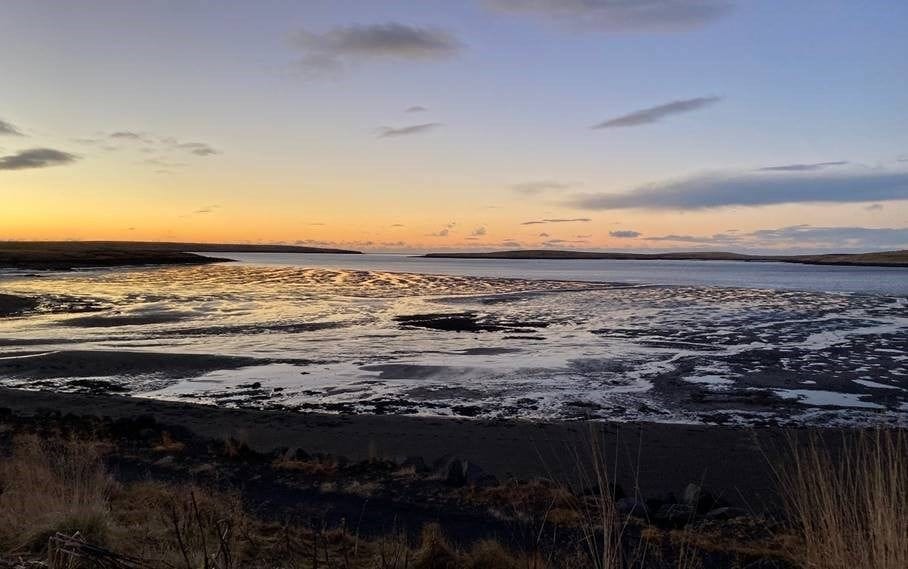
The mudflats are among the few remaining undisturbed intertidal areas in the capital region and support a rich community of marine invertebrates. In addition to providing essential habitat for birds, mudflats play an important role in mitigating climate change. They capture and store greenhouse gases, with a high rate of carbon storage relative to their area.
The nature reserve covers 5.26 km². The Varmárósar Nature Reserve lies adjacent to its eastern boundary.
Protection Status
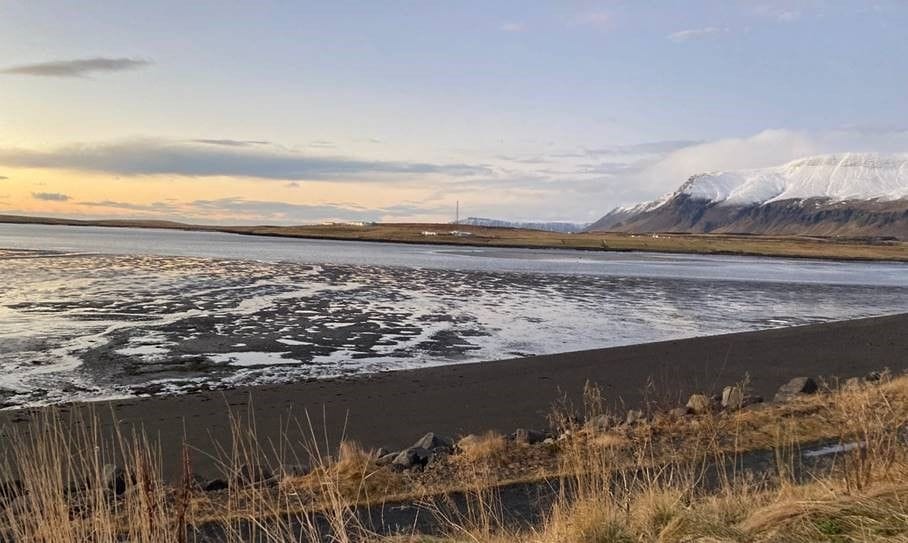
Blikastaðakró–Leiruvogur was designated as a nature reserve on 16 September 2022. The area, which lies within Reykjavík and Mosfellsbær, is an important stopover site for migratory birds, particularly waders, and supports abundant birdlife throughout the year, including species for which Iceland has an international conservation responsibility. The area is also a regular stopover site for harbour seals.
Conservation Objectives
The aim of the designation is to preserve and protect this important habitat for birds and marine invertebrates, as well as its biodiversity, allowing the area to develop naturally and on its own terms.
The regulations for the nature reserve include a ban on flying unmanned aircraft during the bird breeding and migration seasons. The use of motorised watercraft, such as jet skis and similar vessels, is also prohibited. The Nature Conservation Agency may grant permits for certain activities within the nature reserve, including photography and filming.
The Nature Conservation Agency is responsible for the management of the nature reserve and for preparing a management and conservation plan in cooperation with the City of Reykjavík and the Municipality of Mosfellsbær.