Welcoming and informing visitors
Rangers welcome visitors and provide information about the area's nature, local conditions and history, as well as campsites, hiking trails, roads and almost anything else visitors may want to know. Some protected areas have visitor centres or ranger offices where visitors can find information and assistance. In some areas, rangers are also responsible for managing campsites and mountain huts.
Nature interpretation
Rangers help visitors discover and connect with the natural environment through nature interpretation. This is a form of education designed to enrich visitors' experience and encourage curiosity about their surroundings. The aim is to deepen people's understanding of nature and inspire respect for it, based on the idea that greater understanding leads to greater appreciation and, ultimately, better protection.
Nature interpretation can take many forms, including guided walks, activities for children, talks, exhibitions at visitor centres and informal conversations with visitors whenever the opportunity arises.
Protecting and monitoring nature
Rangers help ensure that the rules protecting each area and the provisions of the Nature Conservation Act are followed. They monitor visitor activity and help ensure that people enjoy protected areas responsibly and with respect for nature.
Rangers also mark, build and maintain hiking trails. By providing clear routes for visitors, they make protected areas more accessible while helping to minimise the impact of visitor traffic on the natural environment.
Here when you need us
Visitors can turn to rangers whenever they need assistance. In remote protected areas, rangers are often among the few people with detailed local knowledge who can provide help in an emergency. This can require resourcefulness and quick thinking, sometimes in difficult conditions.
Training
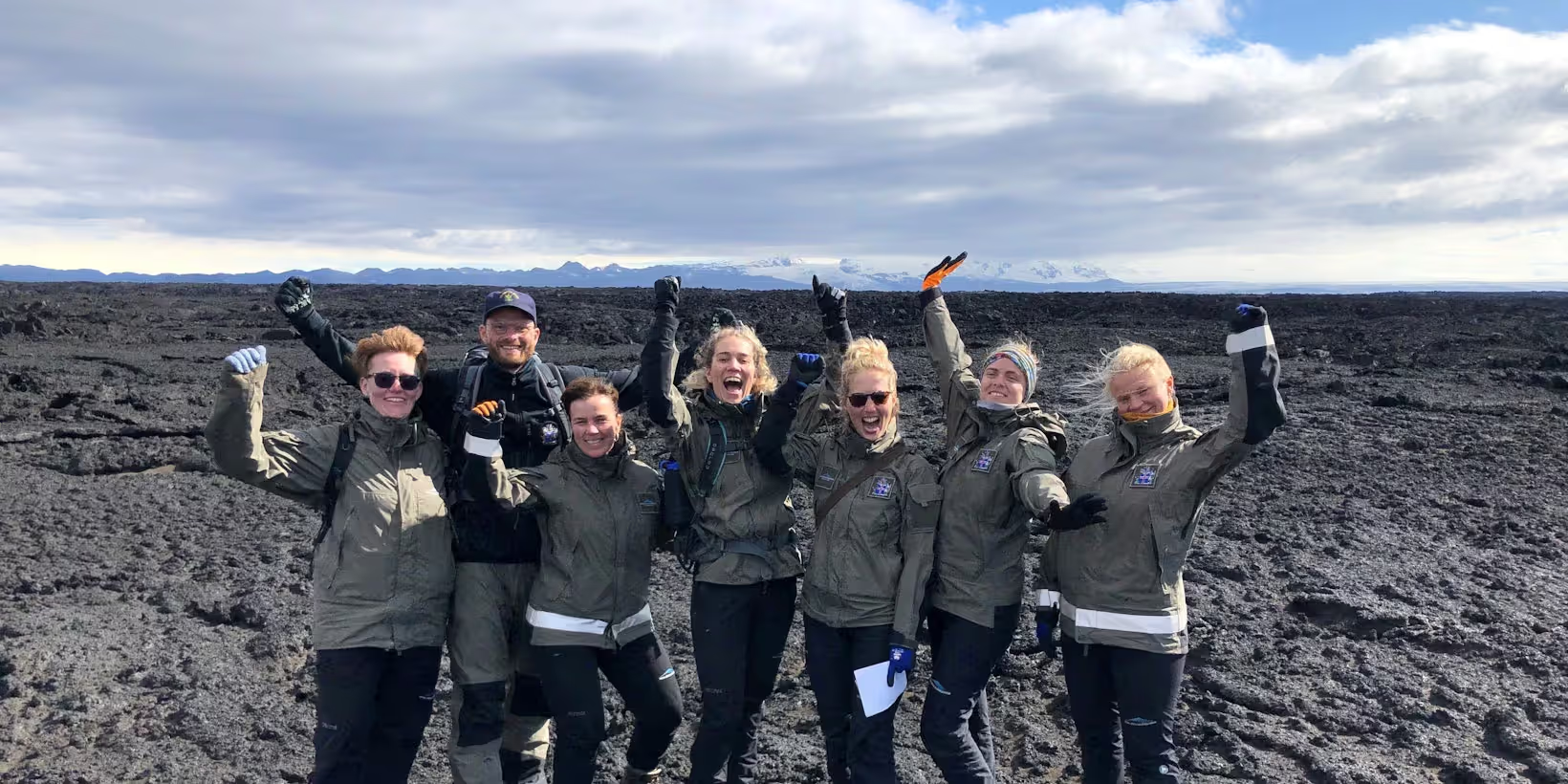
To qualify as a ranger, participants must complete a specialised course in nature conservation and ranger services organised by the Nature Conservation Agency of Iceland in cooperation with several other organisations. Ranger training courses are held each year in February, and participants must be at least 18 years old.