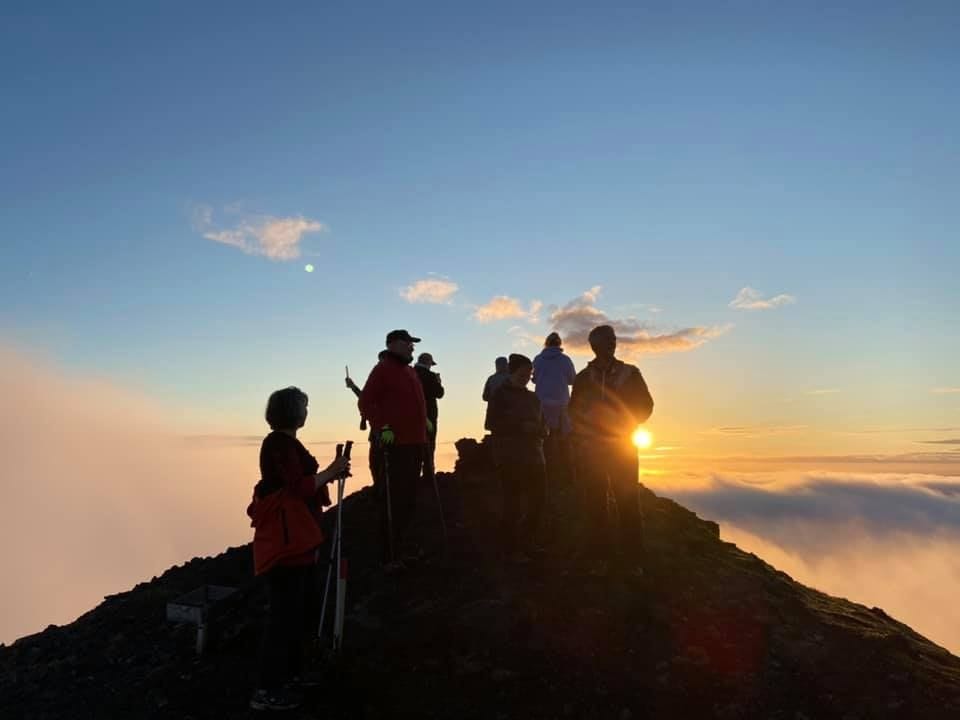
Nature conservation areas are protected for different reasons. Rules, for example regarding hunting, fishing and access, vary from one area to another. Visitors should therefore familiarise themselves with the rules that apply to each protected area and follow the guidance of rangers.
Some visitors come to protected areas in search of peace and quiet, while others seek adventure and excitement. As visitor numbers increase, these different uses are more likely to overlap. It is therefore important to be considerate of other visitors so that everyone can enjoy their experience.
Respecting nature
Special care should be taken when travelling through Icelandic nature. Vegetation is often fragile, while Icelandic soils can be coarse, loose and highly susceptible to erosion. Damage can take a long time to heal because of the short growing season, and wind and water can further increase erosion in damaged areas.
By working together, we can protect Iceland’s nature and landscapes and ensure that people can continue to enjoy their beauty in the future. Leave places as you would like to find them. Take your rubbish with you. Respect private property and take care when passing through fences and gates. Avoid disturbing wildlife unnecessarily. Be considerate and keep dogs on a leash. Remember that damage to geological formations cannot be undone.
Driving
Do not drive off road. Vehicles can leave tracks and scars on the landscape that may take a very long time to disappear. Off road driving is prohibited by law. Driving off road is permitted when the ground is frozen and completely covered by snow.
Hiking
Walking is permitted on uncultivated land. Do not take shortcuts across fenced land, cultivated fields or private property, and respect restrictions in areas where wildlife and vegetation are being protected.
Stay on marked trails. Trails are designed to improve visitor safety, guide people along suitable routes and reduce pressure on sensitive natural areas.
Landowners must ensure that travellers can pass along riverbanks, lakeshores and coastlines, as well as along traditional routes and designated paths. Where fences or other barriers cross these routes, there should be stiles or gates. Access to and travel on lakes and rivers is regulated by Icelandic water legislation. Riverbanks, lakeshores and islands are often important wildlife habitats and should be treated with care.
Cycling
Cyclists should use roads and designated cycling routes wherever possible. Some hiking trails are not suitable for bicycles, and cycling may therefore be restricted. Take care not to damage vegetation or the surface of trails.
Horse riding
Horse riders should follow designated riding trails. Take particular care to protect soil and vegetation when travelling away from established trails. When travelling in the highlands, it is necessary to bring feed for horses and to place overnight enclosures on unvegetated ground. Particular care should be taken when moving groups of horses.
Hunting and fishing
Fishing rights and the allocation of fishing permits are managed by the holders of fishing rights, usually landowners, fishing associations or grazing associations. This applies to rivers, lakes and coastal areas. Visitors should always check who holds the relevant fishing rights and whether a permit is required.
Holders of an Icelandic hunting licence may hunt birds outside privately owned land, subject to applicable rules. Rights holders may determine hunting rights within their own land. Hunting seasons vary depending on the species.
Camping
Camping for one night is generally permitted on uncultivated land. Landowners must indicate any exceptions to this rule with signs. However, out of consideration for both the land and its owners, visitors should use designated campsites whenever possible and should not camp close to farms or homes without permission.
Groups must always consult the landowner before setting up camp outside designated campsites.
Picking berries and plants
Berries, mushrooms, seaweed and other plants may be gathered, but permission is required for large scale gathering on privately owned land. Berries and plants may also be gathered on public lands and common grazing areas.
Please note that some plants found in Icelandic nature are rare and legally protected and must not be picked or damaged.
Definitions
Privately owned land: Land subject to private ownership rights.
Common grazing land: Land outside settled areas traditionally used for grazing livestock during the summer.
Common land: Land that belongs to the public and for which no private ownership rights have been established.
Public land (þjóðlenda): Land outside privately owned areas, although certain limited property or usage rights may apply.
Nature conservation area: Protected areas, sites listed on the Nature Conservation Register and other designated areas protected under Icelandic law.