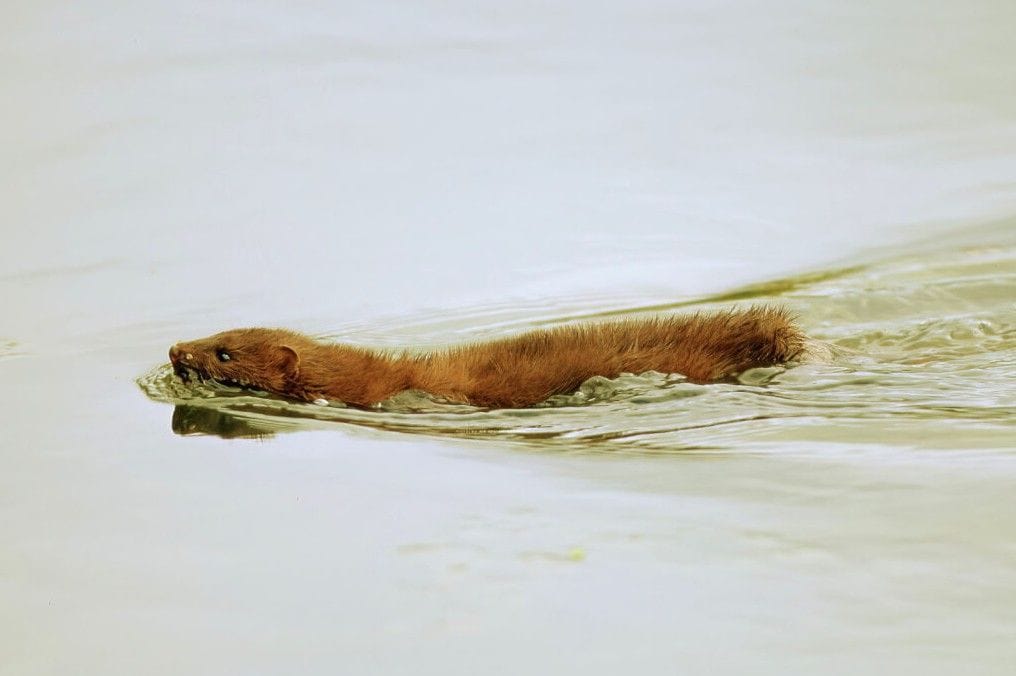
Apply for a CITES permit to import or export endangered animals or plants
Iceland is a party to CITES, an international convention that protects endangered species of plants and animals. The aim of the Convention is to ensure that international trade and transport of wild animals and plants do not threaten their survival in the wild. The Convention entered into force in 1975, and Iceland became a party in 2000. Around 40,900 species are covered by CITES, with their protection regulated through certificates and permits for import and export.
CITES permits and certificates must be presented to border authorities in each country when specimens are transported across international borders. CITES requirements may apply to a wide range of animals, plants and products containing parts or derivatives of them, whether living or dead. This may include ingredients in medicines and cosmetics, musical instruments, pets and food products.
Permits for photography in protected areas and near birds’ nests
The Nature Conservation Agency issues permits for photography near birds’ nests in protected areas.
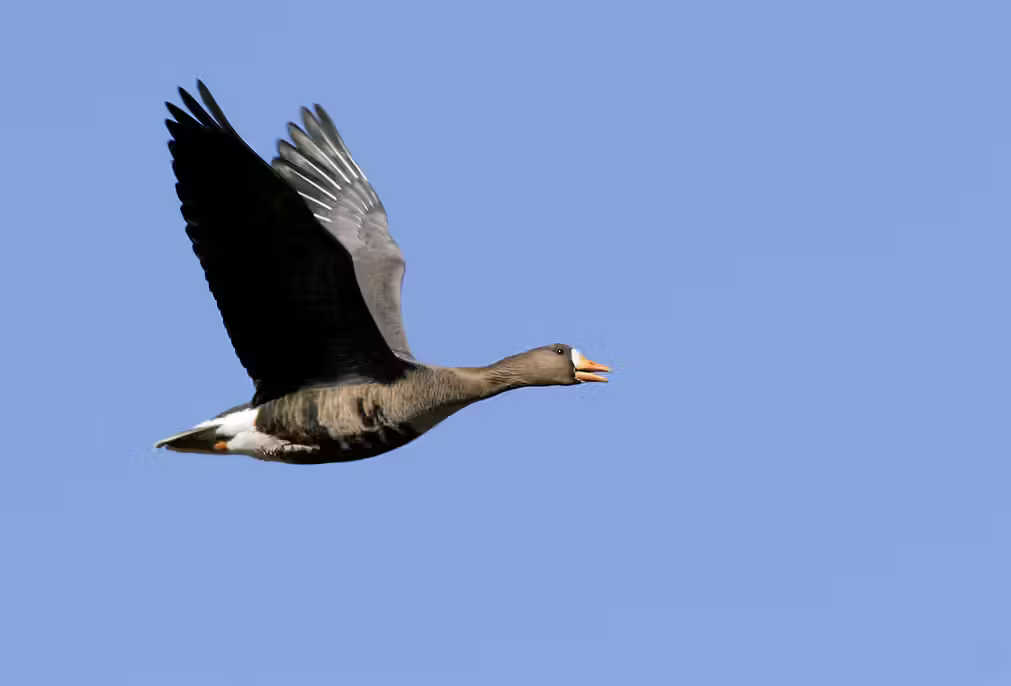
Permits for photography in protected areas and near birds’ nests
The Nature Conservation Agency issues permits for photography near birds’ nests in protected areas.
Apply for a permit to import non-native species
You can apply for a permit to import non-native species through the Nature Conservation Agency’s online service portal. The application must include a risk assessment obtained by the applicant, including an assessment of whether the species may be invasive and the potential impacts on biodiversity.
If the species are being imported with the intention of releasing or distributing them, the application must cover both import and release or distribution. It must also include an assessment of the expected impacts on biodiversity.
More detailed guidance on the application process is available on the Nature Conservation Agency’s website.